RM’s “Right Place, Wrong Person” is the right album at the right time

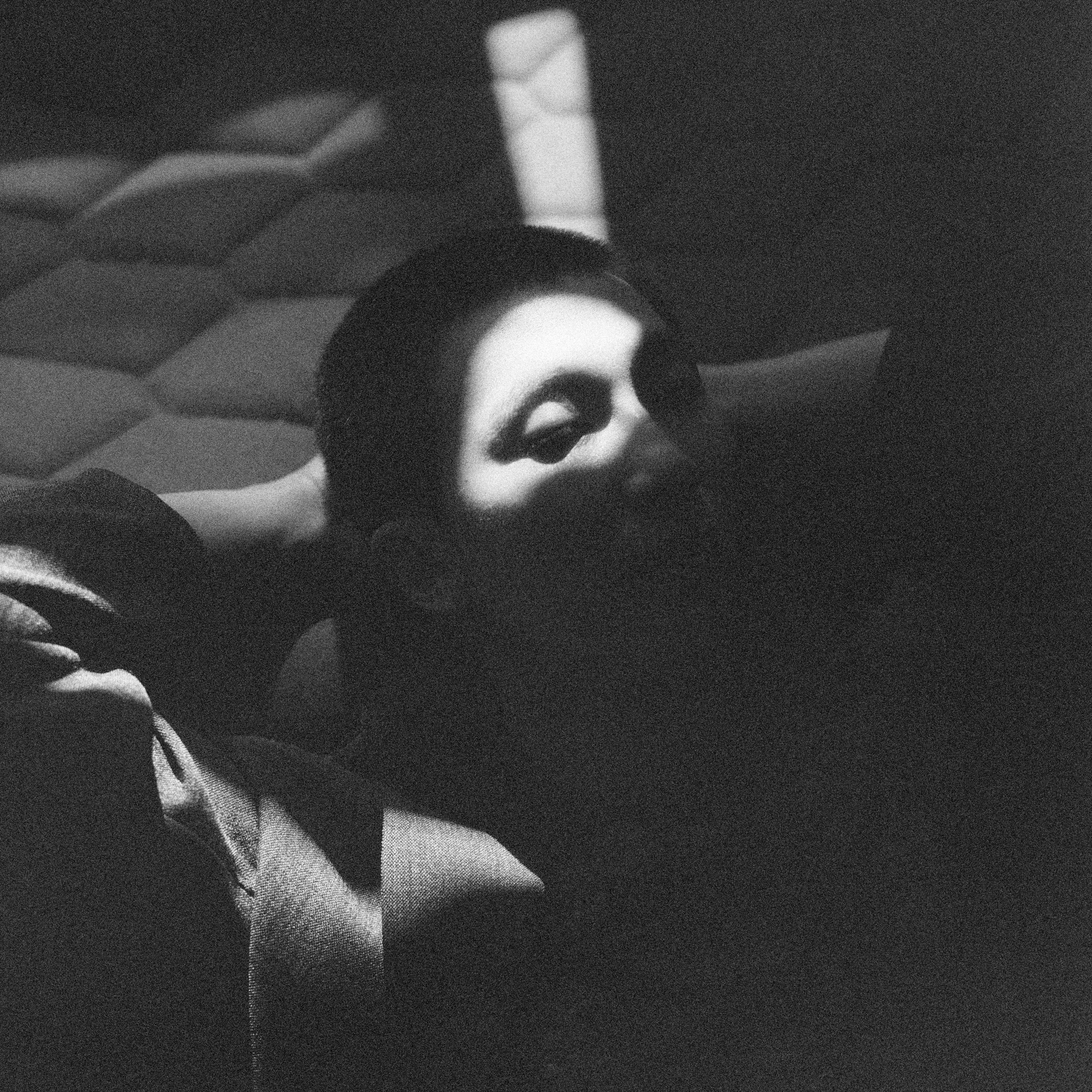
RM Right Place, Wrong Person Concept Photo 1 by @wingshya

“I’m goddamn lost,” RM sings in “LOST!” the title track of his new album Right Place, Wrong Person, a fun, upbeat song about his struggle to find his right place in the world. The song comes deep into the tracklist, encapsulating the album’s central theme: the confusion of feeling out of place in our surroundings or situation, unable to conform to societal or imposed expectations, or even disconnected from our dreams and goals. 

The song’s video, a funny, absurd recreation of the inside of RM’s mind, shows him trying to reconcile various selves while finding his way through a strange office maze. Though humorous, the video evokes a sense of unease, bewilderment, and even annoyance. It is the art film response to the lush and cinematic video for his album pre-release song, “Come Back to Me,” where we see RM lost inside a house and finding different versions of himself in alternate times or realities. Both videos are rich illustrations of being the wrong person in the right place or the right person in the wrong place. The fluidity between these notions is at the heart of Right Place, Wrong Person, an album that chronicles RM’s dislocating experience of being an artist in the public eye since his early youth.

“F**k the algorithm” – Art, curation and influence in late-stage Internet

RM at the Museum of Fine Arts, Boston in a post from May 30, 2022 (Screen capture)

A couple of days ago, RM (Kim Namjoon), the rapper, writer, and leader of BTS, unarchived the entirety of his Instagram history. His posts go back to December 2021, when all BTS members opened their Instagram accounts. In the last several months, RM had, seemingly randomly, “deleted” or archived posts a few or whole chunks at a time.

RM’s “Indigo”: to be artful is to be human

“Still, I found myself glancing at the paintings and then looking at them. “The Potato Eaters.” “The Cornfield with a Lark.” “The Ploughed Field at Auvers.” “The Pear Tree.” Within two minutes—and for the first time in three weeks—I was calm, reassured. Reality had been confirmed.”

John Berger, “The Production of the World,” The Sense of Sight

The first time I read that essay, I was in my 20s. I didn’t know it then, but Berger’s words about how, in a moment of profound existential dread, looking at van Gogh’s paintings had helped him find his place in the world again would resonate for the rest of my life. I, too, have found solace in art in countless moments, but more than that, Berger’s words have guided me and comforted me when life felt like it had stopped making sense. They tell me that the emotions we experience when confronted with art are real and worth thinking about and living for.