The Most Beautiful Moment in Life series marked an evolution for BTS from their hip hop-centred songs and energetic and aggressive delivery to a softer and more poetic sensibility and sound, spearheaded by member SUGA. The piano, which had started to appear in songs like the introspective “Tomorrow” and the jazz-infused “Rain,” from Skool Luv Affair-Special Edition and Dark & Wild, both released in 2014, became more prominent. This pointed to the continuous expansion of their storytelling and musical vocabulary.
On the stage, as part of BTS, j-hope has a spellbinding energy. In “Hope On The Stage,” his first solo world tour across the US, Mexico, and multiple stops across Asia, this energy feels like it has been magnified by several degrees. The tour marks his return to the stage after completing his mandatory military service in South Korea, an extremely significant moment of reunion, renewal and growth for any artist.
If you have been following Phillip Phillips’s career for a while, you know he is intensely private, humble, funny, and the embodiment of determination. But fans of his music know that underneath his jovial and relaxed demeanour lies an artist of a deep and quiet sensitivity who is not afraid to explore the more painful and confounding aspects of life, ambition, love and relationships.
Blake Collins, Dave Eggar, and Phil Faconti of Bristol Lightning. Credit: Bristol Lightning Instagram
Bristol Lightning, a brilliant new ensemble of virtuoso musicians from Bristol, Tennessee, is bridging history and culture through bluegrass music that transcends genre expectations and rules. Their first EP, Bristol Lightning, was released on June 28. The four songs, part of a planned full album for later this year, are rich, vibrant, and evocative; a sound so fresh that a couple of them, reworkings of popular classical music pieces, feel like a musical rebirth.
The music mirrors the story of how the band came together. For two of the members, Dave Eggar and Phil Faconti, Bristol Lightning marks a new personal and musical beginning.
RM Right Place, Wrong Person Concept Photo 1 by @wingshya
“I’m goddamn lost,” RM sings in “LOST!” the title track of his new album Right Place, Wrong Person, a fun, upbeat song about his struggle to find his right place in the world. The song comes deep into the tracklist, encapsulating the album’s central theme: the confusion of feeling out of place in our surroundings or situation, unable to conform to societal or imposed expectations, or even disconnected from our dreams and goals.
The song’s video, a funny, absurd recreation of the inside of RM’s mind, shows him trying to reconcile various selves while finding his way through a strange office maze. Though humorous, the video evokes a sense of unease, bewilderment, and even annoyance. It is the art film response to the lush and cinematic video for his album pre-release song, “Come Back to Me,” where we see RM lost inside a house and finding different versions of himself in alternate times or realities. Both videos are rich illustrations of being the wrong person in the right place or the right person in the wrong place. The fluidity between these notions is at the heart of Right Place, Wrong Person, an album that chronicles RM’s dislocating experience of being an artist in the public eye since his early youth.
RM at the Museum of Fine Arts, Boston in a post from May 30, 2022 (Screen capture)
A couple of days ago, RM (Kim Namjoon), the rapper, writer, and leader of BTS, unarchived the entirety of his Instagram history. His posts go back to December 2021, when all BTS members opened their Instagram accounts. In the last several months, RM had, seemingly randomly, “deleted” or archived posts a few or whole chunks at a time.
Documentary and original soundtrack by j-hope of BTS, available on Prime and TVING.
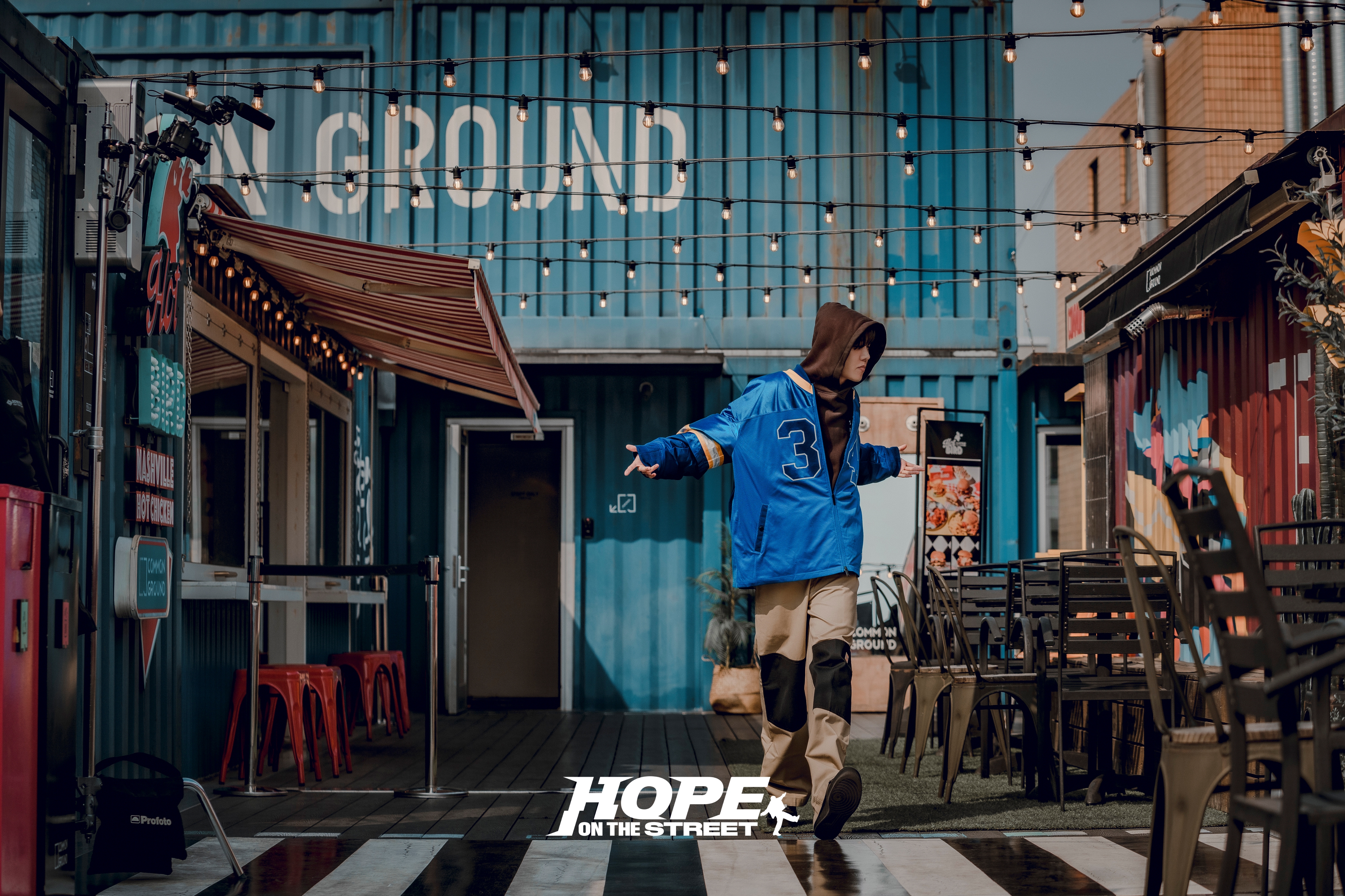
j-hope’s new documentary Hope on the Street and its accompanying original soundtrack, Hope on the Street Vol. 1, mark a new high for the rapper, dancer, and member of the South Korean band BTS. Directed by Park Jun Soo, the six-part series, released on March 27, is an aesthetic and narrative triumph.
Created by j-hope as a final project before enlisting in the military to fulfill his mandatory service, Hope on the Street follows his quest to reconnect with his dancing roots after a decade of building a musical career as a member of BTS. To do this, j-hope calls on one of his first teachers, Boogaloo Kin (Kim Haknam), a South Korean dance champion, to guide him and help him connect with some of the best street dancers and teachers around the world.
In their journey, j-hope and Boogaloo Kin explore a style of street dance in five different cities: Popping in Osaka, locking in Seoul, house in Paris, hip hop in New York, and finally, a return to Neuron, the dance crew he studied with in his teens in his native city, Gwangju. Throughout, Boogaloo Kin accompanies j-hope as a friend, dance teacher and life mentor.
Note: I wrote this essay over several weeks but wrote the main argument and narrative over the next few hours after the event I describe in the piece. I decided to keep it intact to respect and convey the immediacy of the experience.
Last night, I cried myself to sleep after seeing a concert. I cried for two hours after it ended, full-body sobs taking over me on the sofa where I had sat to watch the livestream. The sobs overcame me every time I tried to calm myself, close my eyes, and go to sleep—it was, after all, three or four in the morning my time. I had to take a Tylenol, but the crying took over me in the kitchen as I grabbed a cup of water, opened the faucet, and doubled over the counter in pain.
The sobs did not cease until I forced myself to lay in bed, the tears falling freely on my pillow and my body shaking intermittently from the crying. The sleep somehow came.
This article was written as a contribution to Bangtan Library.
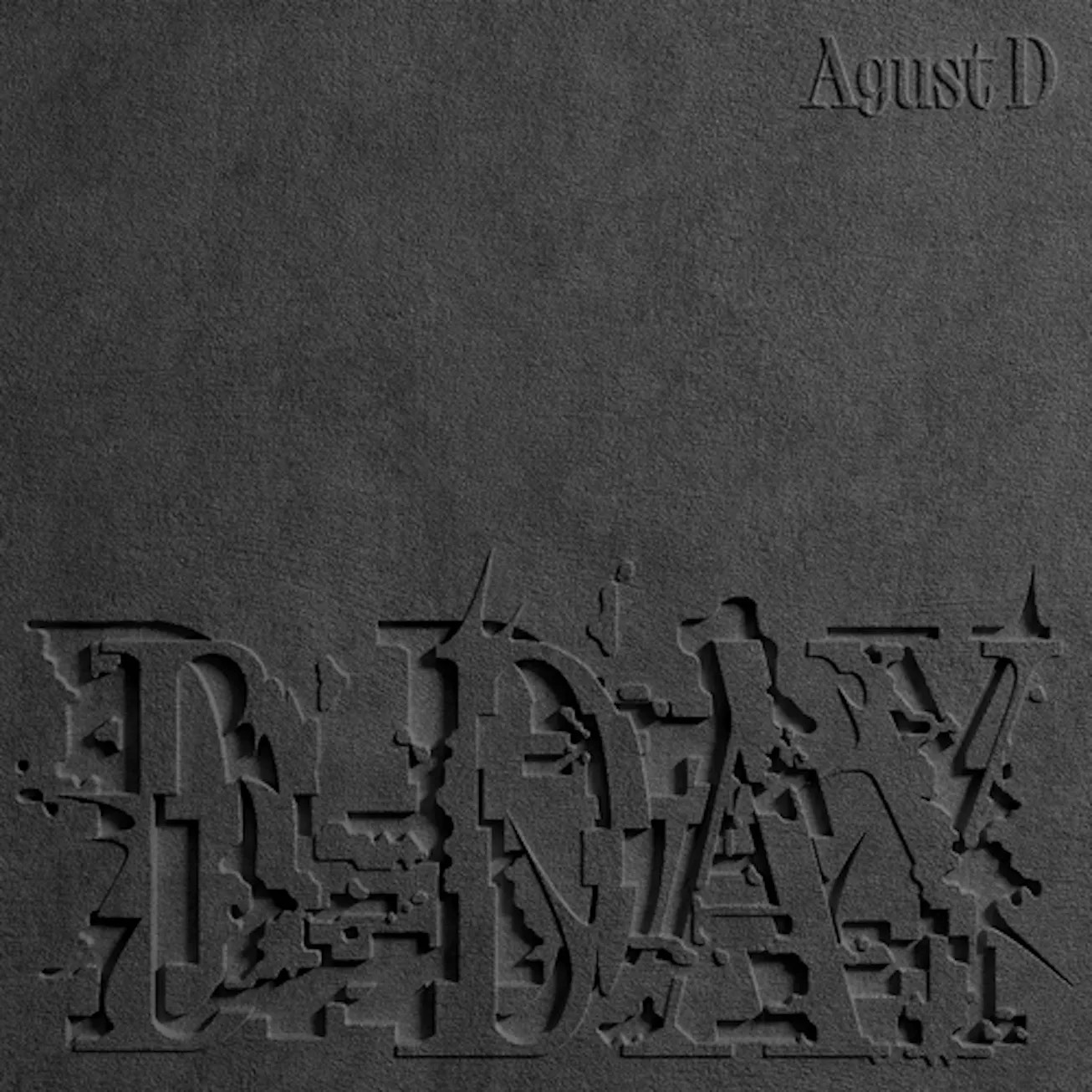
Released on April 23, 2023, Agust D’s D-Day represents the end of a trilogy that started in 2016 with the release of Agust D, Min Yoongi’s first mixtape under his alternate artistic persona Agust D. The two mixtapes offered a window into Agust D’s most personal thoughts and experiences, expanding on the themes and lyrics he had contributed to BTS’s discography under his main moniker, SUGA of BTS.
Some albums tickle your mind. Others expand your political conscience or soothe your heart. But some albums are entirely for your senses, those that awaken feelings and sensations buried deep within.
Jimin’s new solo album, FACE, is one of those. It is a brief, 20-minute journey into the singer’s confounding emotions during the pandemic and one that takes the listener into a mesmerizing, immersive sonic experience.
Jimin is one-seventh of the iconic South Korean band BTS. Since his debut with the band in 2013 at age 18, he has been known for his elegant contemporary dance-influenced moves and unique, delicate vocals. Here, in his first solo work, he proves his incredible gift with melody, something fans have previously remarked in his solo songs such as “Lie” and “Serendipity,” but also a newly revealed mastery of mood.
The album’s release comes in the context of a complex period for BTS and all its members: first, the personal and professional reckoning with the pandemic, which impacted artists and musicians particularly acutely by erasing their livelihoods overnight. Unable to perform and interact with their fans, many questioned their very reason for being. Second, the announcement last June of the temporary hiatus BTS would go on to focus on solo music, which was later confirmed to be prompted by the members’ need to fulfill their mandatory military service.
In multiple promotional interviews, Jimin has said he started working on FACE after realizing he was not doing well during the pandemic and its aftermath. Encouraged by his BTS members, he poured all these feelings into music, resulting in the five songs that make up FACE. I remember the early days of the pandemic and how cultural critics often wondered about the art that would result from this collective horror and trauma. Jimin’s album is a moving example of an artist processing the angst and confusion he felt during that time into a remarkable work of music.
FACE album cover. Big Hit Entertainment.
While each song on FACE stands perfectly on its own, they gain in meaning and resonance when played in order from beginning to end. The album moves through quite distinct but intertwined emotions: the anger in the opening song, “Face-off,” becomes defiant liberation in the closing one, “Set Me Free Pt. 2.” The sensual search for abandon in the main single, “Like Crazy,” is followed by unforgiving self-awareness in the next, “Alone.” Filled with rich synths, electronic beats, vocal distortions, and even a choir and horns used in a pretty unexpected way, FACE is a sophisticated 80s-inspired electronic pop album with devastating emotional depth.
Sonically cohesive, the album also feels like a concept album or the soundtrack of a short movie, with Jimin starting in a disturbing dark place and progressively moving through different emotions until the end, where he does seem to find a powerful sense of resolution.
The cinematic feeling may also be related to the fact that, as Jimin has explained, the title song, “Like Crazy,” was inspired by the movie of the same name (Like Crazy, 2011), which tells the story of a couple struggling to stay together as they face forced separation and doubts despite the profound love they have for each other. The song translates this into a story of longing, confusion, and a wish to hold on to a reality that seems to be slipping away.
“Like Crazy” starts with the wistful strumming of a guitar or mandolin and Jimin’s melancholic vocals. Soon, the acoustic sound gives way to a fully electronic, transfixing beat. “I rather be lost in the lights, I’m outta of my mind,“ he declares in the chorus, giving the first hint that he’s seeking a certain kind of oblivion in the night. Then, when he sings the amazing second or third hook of the song, “Give me a good ride, it’s gon’ be a good night,” drawing out each word slightly on top of the beat, he is fully evoking the delicious feeling of letting go but also, of the choice he is making of letting go—this is a controlled, conscious abandon.
Still from “Like Crazy” video. Big Hit Entertainment.
A brilliant line in the English version of the song —the album contains a Korean and an English version—further illustrates this when Jimin sings, “emotions on ice, let me have a taste,” which could mean both putting his emotions “on ice” (in pause, on hold) as he surrenders to a night of the senses or of choosing to drink to feel more pleasurable emotions than the ones he’s currently dealing with. The Korean version of the lyrics is no less beautiful: “너를 품은 달 (the moon with you in its arms), let me have a taste,” he says, a poetic declaration of love or desire.
The song then goes into a magnificent electronic break. Now, following Jimin fully into the night and the headiness of drinking and dancing in a crowded room, we feel transported into an addictive, delicious musical high. This is no over-interpretation, as that’s how Jimin has precisely talked about the song, describing it as having “a feeling of dreamy intoxication.”
The video of “Like Crazy,” released on March 24 at the same time as the album, illustrates all of this but adds a further layer of complexity in which Jimin seems to be confronting multiple dualities – masculine vs feminine, in-control vs trying to let go, virtue vs guilt, keeping up appearances vs showing real feelings. As he told Rolling Stone, with the video and choreography of “Like Crazy,” he wanted to portray “the somewhat complex, somewhat lonely, somewhat happy emotions. [To try] to express all these ambiguous and subtle emotions in a slightly sexy way.”
Despite FACE’s clear pop appeal, there is also a clear artistic vision, with ambient sounds framing nearly all of the songs, which help enrich the narrative concept of the album: A circus-type song opens the album before “Face-off,” while at the end of the anthemic “Set Me Free Pt. 2” (where he triumphantly sings he’s “finally free” like a “butterfly”) we hear him audibly struggling to break free. Ambient sounds made the entirety of a highlight in an album of highlights, the song “Interlude: Dive,” the second track on FACE.
Starting with what seems like a rewinding effect, the song then settles on a deep, hypnotic low note contrasted with sparkle-like chimes indicating we are entering a dream-like state where sounds flood in like distant memories: a startling knocking on a door, Jimin’s shortened breathing, walking, pouring of a drink in glass and drinking, and most moving of all, the audio from Jimin’s introduction to his audience (ARMY) during BTS’ last concert together before announcing their enlistment.
Jimin has said that with this song, he wanted to find a bridge between “Face-off” and “Like Crazy” and to give the feeling that he was “lost or wondering.” Both goals are beautifully achieved, in addition to creating what feels like a return to a vulnerable primal state, where all wounds and joys are imprinted and that we need to painfully revisit to fully “face” ourselves.
The album keeps building on this musical atmosphere song after song, doubling down on the lushness of the arrangements and offering complex, unusual melodies that keep us on our toes as listeners–this is where Jimin truly shines, carving, curling and shaping his voice around the words, unresolved notes, and keys like water flowing around pieces of smooth and sometimes, what feels like rough shards of glass.
Jimin worked with a group of close long-time producers and collaborators for this album, including the brilliant BTS in-house producer P-DOGG and producer GHSLOOP, who also contributed as co-writers with Jimin. Other co-writers include Evan, Supreme Boi, and Jimin’s bandmate RM in a couple of songs.
My way into song is usually through the music first (as opposed to the lyrics) and how it paints pictures and creates meaning with sounds. This is a beautiful album to get lost in the musical choices made, such as the way in “Face-off” the explicit anger of the lyrics is contrasted by the controlled elegance of the music through an elusive, syncopated beat. Or the way in “Alone,” the most starkly painful song on FACE (“The me who pretends to be okay every time, I find him pathetic,” Jimin sings in Korean), a gentle guitar seems to suddenly fracture into weaker strains of sounds as if the world is itself fragmenting inside his mind. Later, in the same song, as Jimin sings, “It’s gonna be all right,” an eerie high-pitched chorus responds by saying “lie lie” repeatedly, as some mocking, horrifying inner voice.
“Set Me Free Pt.2,” which came out as a pre-release track on March 17 together with a stunning music video, closes the album (before the English version of “Like Crazy”) with bombastic zeal. Featuring an operatic chorus and an exhilarating horns arrangement, the song sounds almost like a horror movie battle cry as Jimin is simultaneously angry (“Shut up, f*** off, I’m on my way”), celebratory (“지나간 나를 위해 손을 들어-I raise my fist for the past me”) and liberated (“finally free”).
FACE is an emotional and, clearly, very personal album. Despite this, the lead single, “Like Crazy,” debuted at #1 on the Billboard Hot 100 chart, demonstrating not only the power of ARMY in supporting the song but also how both the single and album succeed in capturing the musical mood of the moment: dark, melodically intriguing electro-pop that seduces the senses while inviting us to look deep within an artist’s darkest corners of his soul.
Jimin’s FACE is available everywhere music is sold. The CD version of the album also contains a hidden track called “Letter.”








 The Things We Love